


Quick Overview
- Bees sometimes move into owl boxes — it’s natural, but when they take over, it can disrupt nesting owls and drive families out.
- Avoid pesticides or chemicals; they contaminate boxes and can harm both bees and owls.
- Spot a few bees scouting early? A quick spray of water aimed next to them, not directly on them, can gently deter them before they build a hive.
- If a hive has already formed, call a humane bee relocation expert — never an exterminator.
- Each safe relocation protects two vital species: pollinators and natural pest-controllers.
If you’ve ever tuned into one of our owl box livestreams, you know the soft shuffle of feathers, the faint squeaks of hungry owlets, and the low hum of nighttime calm.
But sometimes, that hum turns literal. One minute, our Fairy Owlet Mother, Stacey, is checking the feed — and the next, her owl cam has officially become a bee cam.
Bees finding their way into owl boxes is almost inevitable — it happens every season. But when a full swarm moves in and takes over, especially during very hot weather, it can create some unexpected challenges for the nesting owls who call those boxes home.
The problem isn’t the bees themselves — it’s how we respond to them.
At Ramona Barn Owls, we believe in ethical coexistence. Every creature plays a role, and protecting one species shouldn’t come at the expense of another.
We’ll cover why bees move in, how it impacts owls, and how humane bee relocation — and the right response — protect both wildlife and our mission.
When Bees Become Unexpected Tenants
Owl boxes are, from a bee’s perspective, dream real estate. They’re dry, sheltered, elevated, and perfectly hollow — everything a scout bee looks for during swarming season.
In spring and summer, when bee colonies split to form new hives, scout bees search for safe cavities. A freshly cleaned owl box with a small entrance hole — no bigger than a can of Coke — and a roof over its head is irresistible.
It’s nature being efficient: bees don’t know they’re moving into a bird’s nursery.
This is one reason we check our Ramona Barn Owl cameras constantly. Those early signs — a few bees hovering near the entrance — are a heads-up that a swarm may be scouting the spot. If caught early, we can deter them before a hive is built (more on that later).
Quick myth-bust: Do owls eat bees? Not really. Barn owls prefer mice, rats, and voles. A buzzing bee doesn’t even register on their dinner menu. But the presence of bees can still spell trouble for nesting owls, as you’ll see next.
How Bee Takeovers Impact Nesting Owls
When bees move into an owl box already occupied by a nesting pair, things can get complicated. Imagine being a barn owl mom with three eggs under you — and one morning, a few hundred uninvited buzzing guests squeeze through the entrance.
Bees don’t necessarily attack the owls, but their activity and vibration often drive owls out. Once the queen establishes her hive inside, the owl family is effectively evicted.
Our livestream cameras catch these situations in real time — and it’s always a heart-sinking sight. Each box lost to bees means fewer safe nesting spots for the local barn owl population. And since owl boxes are already limited across San Diego County, every one counts.
Why You Should Never Use Chemicals
When bees move in, the first instinct for many homeowners is to grab a can of wasp spray. Don’t. Really — please don’t.
Chemical sprays and varnishes don’t just kill bees; they seep into the wood, poisoning the box for years. Even trace residues can harm sensitive wildlife like owls, kestrels, or bats that later use the space. Once contaminated, the box often has to be discarded.
Quick fixes might seem tempting, but they destroy critical habitat and ripple harm through the ecosystem. Bees are essential pollinators, and barn owls are natural pest control — both are ecological heroes. Using chemicals to get rid of one ends up hurting both.
If you’re wondering how to get rid of bees without killing them, the answer is simple: don’t get rid of them — relocate them.
Call a professional who understands humane removal and relocation.
The Right Way: Humane Bee Relocation
It should be noted that sometimes, you can stop a bee invasion before it starts. If you notice bees scouting around your owl box, a strong spray of water can help deter them. You’re not drowning them — just making the space temporarily inhospitable so they move on to a better spot.
But if you already have a full hive and the queen bee has moved in, it’s time to call a professional for humane bee relocation.
Ethical removal means rescuing both the bees and the owl box. A qualified relocator will:
- Locate the queen and carefully remove the hive.
- Transfer the entire colony into a new hive box.
- Transport it to a safe sanctuary or managed apiary where they can continue pollinating happily.
Humane relocation may cost more than chemical removal — especially when lifts are needed to reach high boxes — but it protects your owl box and gives the bees a second chance somewhere safe.
How Bee Relocation Protects Critical Habitats
Every successful relocation story is part of something bigger. When we save one hive and one owl box, we’re protecting two habitats at once — the bees’ new home and the owls’ reclaimed space.
Owls and bees may seem like an odd duo, but they’re both essential to healthy ecosystems. Barn owls keep rodent populations in check, reducing the need for poison, while bees pollinate the crops and wildflowers that sustain food webs.
When either species loses habitat, the other eventually feels the ripple effect. That’s why RBO’s commitment to poison-free pest control goes hand-in-hand with bee relocation — it’s all part of the same mission: protecting wildlife through compassion, education, and respect for natural balance.
And if you’re wondering when is the best time to put up an owl box, earlier is better — ideally before spring swarming season. Installing boxes in late fall or winter helps ensure owls claim them first, reducing the chances of bees moving in.
How to Prevent Bees From Moving Into Owl Boxes
While humane bee relocation is the right move once a swarm settles in, prevention is even better. Over the years, Ramona Barn Owls has been studying simple, non-toxic ways to keep bees from choosing owl boxes in the first place.
One promising method? Fake beehives.
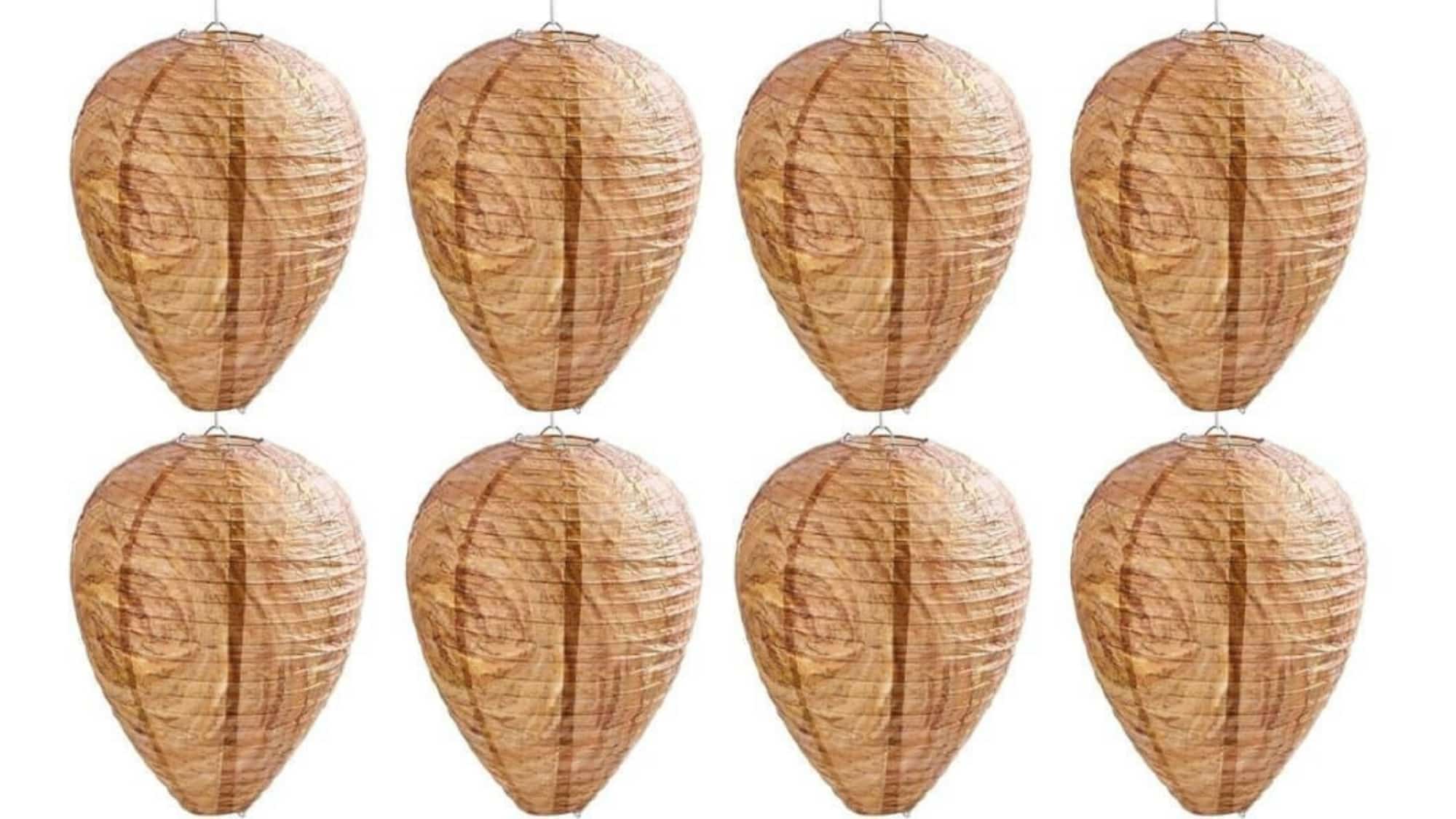
It turns out bees are territorial — they don’t usually move into areas where another colony seems to exist. So, we’ve started hanging imitation hives nearby when we install new owl boxes. These lightweight decoys mimic the look of an active hive, tricking scout bees into thinking the space is already claimed.
It’s still an ongoing study, but so far, the results have been incredible. In the past two years, RBO has only had one bee invasion, which is a huge improvement. Early signs suggest this small, affordable deterrent could be a game-changer for anyone maintaining owl boxes.
It’s a gentle, chemical-free solution that aligns perfectly with our mission: protecting wildlife through compassion, creativity, and coexistence.
Who to Call for Safe, Ethical Bee Removal
If you find yourself staring at a buzzing owl box, resist the urge to panic — or to reach for spray cans. Instead, call an experienced bee relocation specialist.
Look for experts who:
- Offer live bee removal (not extermination).
- Mention relocation or bee rescue in their services.
- Are insured and certified.
- Can explain exactly where the bees will go afterward.
At RBO, we’ve worked with incredible folks like Travis from Bee Leaf USA. Travis not only has a bee sanctuary — he runs a beekeeping school in Pauma Valley, teaching students how to relocate hives.
But wherever you live, local beekeeping associations or wildlife organizations can usually connect you with humane removal specialists.
What to Do (and Not Do) If Bees Move Into an Owl Box
Here’s a quick recap to remind you what to do (and what to avoid) if bees decide your owl box looks like the perfect new home.
Do:
- Call a bee relocation or bee hive removal expert who uses humane methods.
- Use water sprays to gently deter scout bees if a hive hasn’t formed.
- Keep your distance and observe quietly — the less disturbance, the better.
Don’t:
- Use pesticides, paint, or varnish inside or outside the box.
- Block entry holes (it traps bees inside).
- Attempt DIY removal — it’s risky for both you and the bees.
Coexistence Is the Goal
At the end of the day, bees and barn owls aren’t enemies — they’re neighbors sharing overlapping spaces in a world that’s shrinking for both.
Every ethical bee relocation keeps that balance intact. When we choose compassion over convenience, we protect biodiversity and keep our skies full of wings — buzzing and hooting alike.
At Ramona Barn Owls, we’re proud to show what coexistence looks like — rescue, education, and zero chemicals. Support our mission by shopping our owl clothing line and tuning into our live streams.
![Book the Fairy Owlet Mother – Bring Stacey’s owl magic to your school or event. [Book a Presentation]](https://ramonabarnowls.com/wp-content/uploads/Book-the-Fairy-Owlet-Mother-1.jpg)
![Locally Made, Owl Approved – Hand-stitched, San Diego printed, and backed by mission. [Shop with Purpose]](https://ramonabarnowls.com/wp-content/uploads/Locally-Made-Owl-Approved-1.jpg)


![Free Shipping – Save on shipping while you save owls. [Shop Now]](https://ramonabarnowls.com/wp-content/uploads/Free-Shipping-1.jpg)
![Your New Favorite Hoodie Is Saving Owls. Literally. Ridiculously soft. Seriously impactful. [Shop the Collection]](https://ramonabarnowls.com/wp-content/uploads/Your-New-Favorite-Hoodie-1.jpg)


![Subscribe on YouTube – Join 1,000+ owl lovers following our live owl adventures. [Subscribe Now]](https://ramonabarnowls.com/wp-content/uploads/Subscribe-on-YouTube-1.jpg)
![Matching fits for the whole flock. Because protecting wildlife is even sweeter when you do it together. [Shop the Family Collection]](https://ramonabarnowls.com/wp-content/uploads/Matching-fits-for-the-whole-flock-1.jpg)
![Every Tee Tells a Story – From rescues to rodent control, our designs speak up for owls. [Shop Owl-Inspired Apparel]](https://ramonabarnowls.com/wp-content/uploads/Every-Tee-Tells-a-Story-1.jpg)


