

Quick Overview
- In Southern California, there are many types of backyard birds, including western bluebirds, house finches, lesser goldfinches, sparrows, hummingbirds, and crows.
- These small birds help gardens by eating insects, spreading seeds, pollinating plants, and improving soil health.
- Most backyard birds are active during the day, while owls hunt at night, allowing many bird species to share the same environment.
Backyard Birds
Backyard birds are small wild birds that commonly live in residential areas and visit gardens, trees, and feeders.
In Southern California, common backyard birds include species like western bluebirds, house finches, lesser goldfinches, sparrows, hummingbirds, and crows.
While barn owls are probably our favorite birds that we find in our backyard here at Ramona Barn Owls, they are certainly not the only ones!
And since all backyard bird populations are an important part of the ecosystem and help support the balance of wildlife, we care about them too!
10 Common Backyard Birds in Southern California
If you live in Southern California, there’s a good chance you’ve already seen some of these birds—even if you didn’t realize what they were.
Here’s a list of common birds you might spot visiting feeders, trees, or garden spaces.
Western Bluebird
Western bluebirds are one of the most recognizable small backyard birds in California.
With bright blue wings and a warm orange chest, they’re hard to miss. These birds often perch on fence posts or branches while scanning the ground for insects.
Unlike some feeder birds, bluebirds frequently hunt bugs rather than eating seeds.

House Finch
House finches are one of the most common birds in suburban neighborhoods.
Males have rosy red coloring on their heads and chests, while females are brown and streaked. They love seed feeders and often show up in small groups.
Their cheerful, warbling songs are a familiar sound in many backyards.

Lesser Goldfinch
Lesser goldfinches are tiny, energetic birds that love thistle and sunflower seeds.
They’re smaller than the American goldfinch and often travel in lively flocks. If you see a little yellow bird bouncing between feeders and tree branches, there’s a good chance it’s a lesser goldfinch.

Mourning Dove
Mourning doves are gentle, soft-gray birds known for their peaceful cooing calls.
They’re frequent visitors to backyard feeders and often spend time walking on the ground looking for fallen seeds.

California Scrub Jay
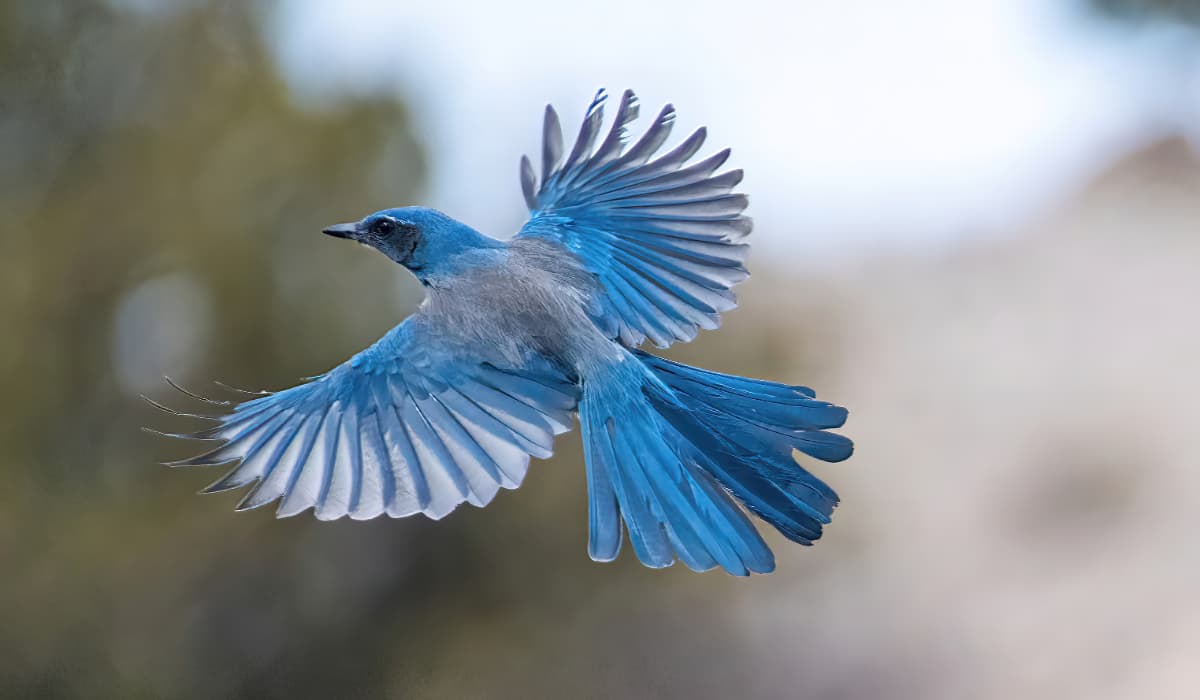
California scrub jays are bold, intelligent birds that are common in neighborhoods with trees.
They’re known for their bright blue coloring and curious personalities. Scrub jays are also incredibly smart and have been observed hiding food to eat later.

White-Crowned Sparrow
White-crowned sparrows are easy to recognize by the distinctive black-and-white stripes on their heads.
These small birds often hop around on the ground searching for seeds and insects.

Anna’s Hummingbird
Anna’s hummingbirds are year-round residents in many parts of California.
These tiny birds beat their wings incredibly fast and feed primarily on nectar from flowers and feeders. Despite their size, hummingbirds are surprisingly territorial and will fiercely defend their favorite food sources.

Northern Mockingbird
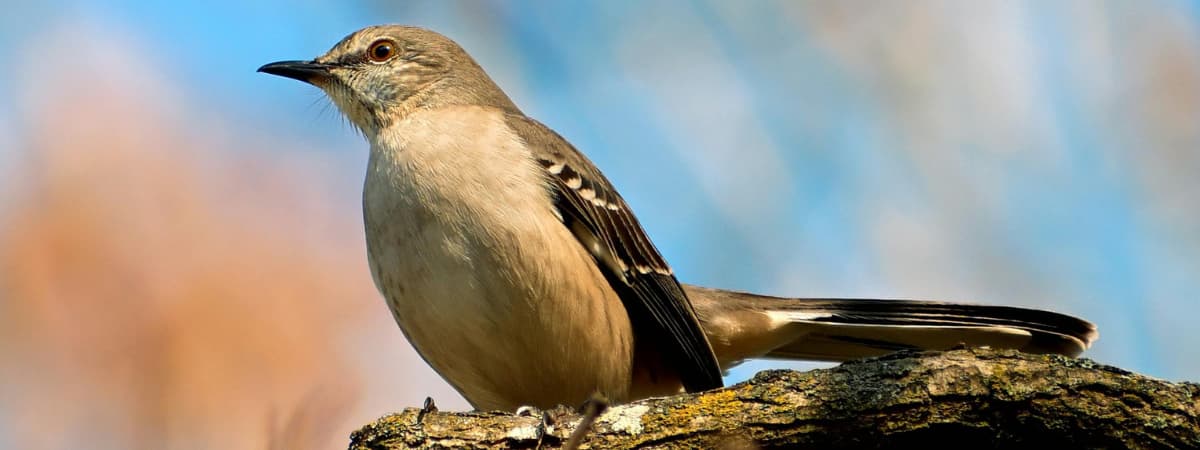
Northern mockingbirds are famous for their ability to imitate the songs of other birds.
They can mimic dozens of different sounds, sometimes repeating a phrase several times before switching to another.
American Crow
Crows are larger than most backyard birds, but they are still common visitors in residential areas.
They’re incredibly intelligent birds that can recognize faces, solve problems, and even use tools.

House Sparrow
House sparrows are small brown birds that have adapted extremely well to human environments.
They’re often seen around buildings, rooftops, and feeders.

How Backyard Birds Can Help Your Garden
Backyard birds do more than simply entertain birdwatchers—they’re actually helpful partners in your garden.
They can:
- Reduce pest populations: Many small birds regularly feed on caterpillars, beetles, aphids, and other insects that would otherwise chew through leaves, flowers, and vegetables. By hunting these bugs, birds can help naturally reduce garden pests.
- Seed dispersal: As birds travel from tree to tree or yard to yard, they carry seeds with them. Some seeds stick to their feathers, while others pass through their digestive system and are deposited in new locations. This helps plants spread and grow in new areas while supporting biodiversity.
- Soil aeration: Birds often scratch and peck at the ground while searching for insects. This natural digging loosens compacted soil and allows air and water to reach plant roots more easily.
- Natural fertilization: As birds move through a yard, they leave behind droppings that contain nutrients such as nitrogen and phosphorus. These nutrients help enrich the soil and support plant growth over time.
- Pollination: Some birds help pollinate plants as they move from flower to flower feeding on nectar. Hummingbirds are especially important pollinators in many gardens, carrying pollen between flowers as they feed.
Beyond helping your garden, birds are part of a larger food web. Healthy bird populations support balanced ecosystems where many species depend on one another.
So when you support backyard birds, you’re not just helping the birds themselves. You’re also supporting the natural balance of the environment right outside your door.
How to Attract and Feed Backyard Birds
If you want to attract more birds to your yard, a few simple steps can make a big difference. Providing food, water, and safe habitat can quickly turn a quiet yard into a place birds visit every day.
- Offer the right seeds: Different birds prefer different foods. Sunflower seeds attract many small birds, including finches and sparrows. Nyjer (thistle) seed is especially popular with goldfinches.
- Provide fresh water: Birds need water for drinking and bathing. A simple birdbath or shallow dish of clean water can quickly become a popular stop for local birds.
- Place feeders safely: Feeders should be placed where birds can easily spot predators such as cats. Nearby trees or shrubs give birds a quick place to hide if they feel threatened.
- Clean feeders regularly: Dirty feeders can spread disease among birds. Cleaning feeders regularly helps keep backyard birds healthy.
- Plant native plants: Native plants provide natural food sources, shelter, and nesting areas for birds.
- Avoid rodent poison: Rodent poison can move through the food chain and harm predators like owls and other wildlife.
How Backyard Birds and Owls Coexist
People sometimes wonder how small backyard birds manage to live in areas where owls are around. After all, owls are predators—so small birds could easily become owl food, right?
The answer mostly comes down to timing.
Most backyard birds are diurnal, meaning they are active during the day. Owls are primarily nocturnal, meaning they hunt at night.
In a way, it’s like a shift change in the bird world.
During the day, the backyard birds are busy flying between feeders, trees, and gardens. When night falls, many of those birds settle down to roost while owls begin their nightly hunting.
Occasionally, there can be some overlap.
Sometimes a bird stays out later than usual, or an owl is active earlier than expected. When that happens, it can be a case of being in the wrong place at the wrong time.
But most of the time, the difference in schedules allows many bird species to share the same environment.
Backyard Birds Seen at Ramona Barn Owls
Because owls are mostly active at night, every morning at Ramona Barn Owls, the yard fills with activity.
Our Fairy Owlet Mother, Stacey, keeps the local bird population thriving with about 15 bird feeders placed throughout the sanctuary. While we don’t currently livestream these specific views, RBO utilizes Bird Buddies, Hummingbird Buddies, and various other cameras to keep a close eye on our feathered neighbors.
The Bird Buddy technology identifies every bird that lands—it’s surprisingly accurate, and it’s a lot of fun to see which species show up throughout the day.
Some of the regular birds Stacey has seen visiting the feeders lately include:
- Western Bluebirds
- House Finches
- Lesser Goldfinches
- Sparrows
- Hummingbirds
- Crows
The Hard Lesson That Changed How We Care for Backyard Birds
Like many people, Stacey didn’t always know everything about wildlife.
Years ago, before learning more about wildlife-friendly practices, they used glue traps to try and catch some mice they were having a problem with on their property.
Glue traps are commonly marketed as a way to catch mice. But what many people don’t realize is that these traps can catch far more than rodents.
One day, a small bird became trapped in one in her backyard.
The experience was devastating.
Stacey remembers calling her husband at work in tears, trying to figure out what to do. It was a heartbreaking moment and a hard lesson about how unintended harm can happen when we don’t fully understand the tools we’re using.
From that day forward, she never used glue traps again.
Backyard Birds Matter to the Ecosystem
Backyard birds may seem small, but they play a big role in the natural world.
They help control insect populations, spread seeds, and support the complex food webs that connect many species together.
When people protect backyard birds, they’re also protecting the broader ecosystem—including the owls that share the same environment.
Because in nature, everything is connected.If you’d like to support Ramona Barn Owls and help us continue educating people about wildlife and poison-free pest control, you can watch and share our owl livestreams, spread awareness, or shop our mission-driven owl clothing brand.
![Warning: Highly Addictive Baby Owl Content. Peek into the nest 24/7 and fall in love with our live owls. [Watch the Livestream]](https://ramonabarnowls.com/wp-content/uploads/Warning-1.jpg)
![Book the Fairy Owlet Mother – Bring Stacey’s owl magic to your school or event. [Book a Presentation]](https://ramonabarnowls.com/wp-content/uploads/Book-the-Fairy-Owlet-Mother-1.jpg)


![Caught on Cam: My bros fall, flop, and sass it up—watch the bloopers on YouTube. [Watch Now]](https://ramonabarnowls.com/wp-content/uploads/Caught-on-Cam-1.jpg)
![Subscribe on YouTube – Join 1,000+ owl lovers following our live owl adventures. [Subscribe Now]](https://ramonabarnowls.com/wp-content/uploads/Subscribe-on-YouTube-1.jpg)

![Your New Favorite Hoodie Is Saving Owls. Literally. Ridiculously soft. Seriously impactful. [Shop the Collection]](https://ramonabarnowls.com/wp-content/uploads/Your-New-Favorite-Hoodie-1.jpg)
![Hoot Happiness Guarantee – Shop risk-free with free returns & exchanges. [Shop Now]](https://ramonabarnowls.com/wp-content/uploads/Hoot-Happiness-Guarantee-1.jpg)


