Turkey Vultures Quick Facts
- Turkey vultures are large scavenger birds found throughout North and South America.
- Turkey vultures have a wingspan of about 5 to 6 feet, larger than many hawks
- Turkey vultures locate food primarily by smell, detecting gases released by decomposing animals
- They feed almost exclusively on dead animals, not live prey
- Turkey vultures have a wingspan of up to 6 feet and rarely flap while flying
- They often circle in groups, using rising warm air to stay aloft with little effort
- Turkey vultures have highly acidic digestive systems that neutralize harmful bacteria
- Turkey vultures prefer open habitats like fields, hillsides, deserts, and roadsides
- They are active during the day and rarely interact with nocturnal birds like owls
Turkey Vultures
At Ramona Barn Owls, turkey vultures are a familiar presence. They’ll perch on the hawk pole or circle overhead, and when something dies nearby, they don’t take long to find it.
With their wide wingspan and bright red bald heads, they’re hard to miss. And once you start to understand how they actually find food and what they’re doing out there, they get even more interesting.
There’s a lot more going on with them than it seems at first glance.
Turkey Vultures Have an Important Job
Turkey vultures play a huge role in keeping the environment clean by removing dead animals before they can spread bacteria or attract pests.
It’s not the most glamorous job, but it’s one that needs to be done.
When an animal dies out in the wild—or even along the side of the road—it doesn’t just disappear on its own. Without scavengers, it would sit there, break down slowly, and create the perfect environment for bacteria and disease to spread.
Turkey vultures take care of that quickly.
There was once a large dead snake that ended up near the Ramon Barn Owls property after being dropped by a hawk. Not long after, a group of turkey vultures moved in. And when they were done, there wasn’t anything left. No scraps, no mess—it was completely gone.
It’s easy to overlook that, but they’re quietly doing one of the most important jobs in the ecosystem.
How Turkey Vultures Find Dead Animals
Turkey vultures find dead animals by detecting gases released during decomposition, using a sense of smell that most birds don’t have.
Most birds rely on sight. Turkey vultures don’t.
They’re actually able to pick up on chemical changes in the air that come from a dead or decaying animal. That means they can locate something that’s completely hidden from view—under brush, behind terrain, or just too small to see from above.
It’s part of why you’ll see them flying lower than other birds, drifting back and forth as they move through an area.
And once one vulture finds something, others tend to follow pretty quickly.
Why Turkey Vultures Circle in Groups
Turkey vultures circle because they’re following scent trails and watching each other, which helps them zero in on a food source more efficiently.
That circling behavior isn’t random.
They’re using rising warm air to stay up with very little effort, and at the same time, they’re narrowing in on a location. When multiple birds are involved, it speeds things up. One bird might be closer to the source, another might pick up a stronger scent, and together they figure it out faster.
That’s why what starts as one bird can quickly turn into a group.

Do Turkey Vultures Eat Live Animals?
No, turkey vultures do not usually eat live animals. They feed almost entirely on animals that are already dead.
This is one of the biggest misconceptions about them.
They might look like other birds of prey, but they’re not built for hunting. Their feet are relatively weak, and they don’t have the kind of grip or speed needed to catch live prey.
They are active during the day, not at night, which is another key difference between turkey vultures and nocturnal birds like owls.
They rely on finding animals after the fact, not chasing them down.
How Turkey Vultures Can Eat What Other Animals Can’t
Turkey vultures have an extremely strong digestive system that allows them to safely consume decaying animals and destroy harmful bacteria.
This is where things get really interesting.
Their stomach acid is powerful enough to break down not just tissue, but also dangerous pathogens that would make other animals sick. Things like bacteria from rotting meat, and even more serious contaminants, are neutralized during digestion.
So while it might seem like they’re exposing themselves to risk, their bodies are actually designed to handle exactly that.
It’s a big part of why they can do the job they do without getting sick.
Turkey Vulture Size, Wingspan, and Weight
Turkey vultures are large birds with a wingspan of up to about 6 feet, a body length of about 25–32 inches, and a surprisingly light weight of just 2–4 pounds.
How Big Is a Turkey Vulture?
Despite their massive wings, turkey vultures are relatively lightweight birds. Their low body weight helps them stay airborne for long periods with minimal effort.
Turkey Vulture Wingspan and Flight Style
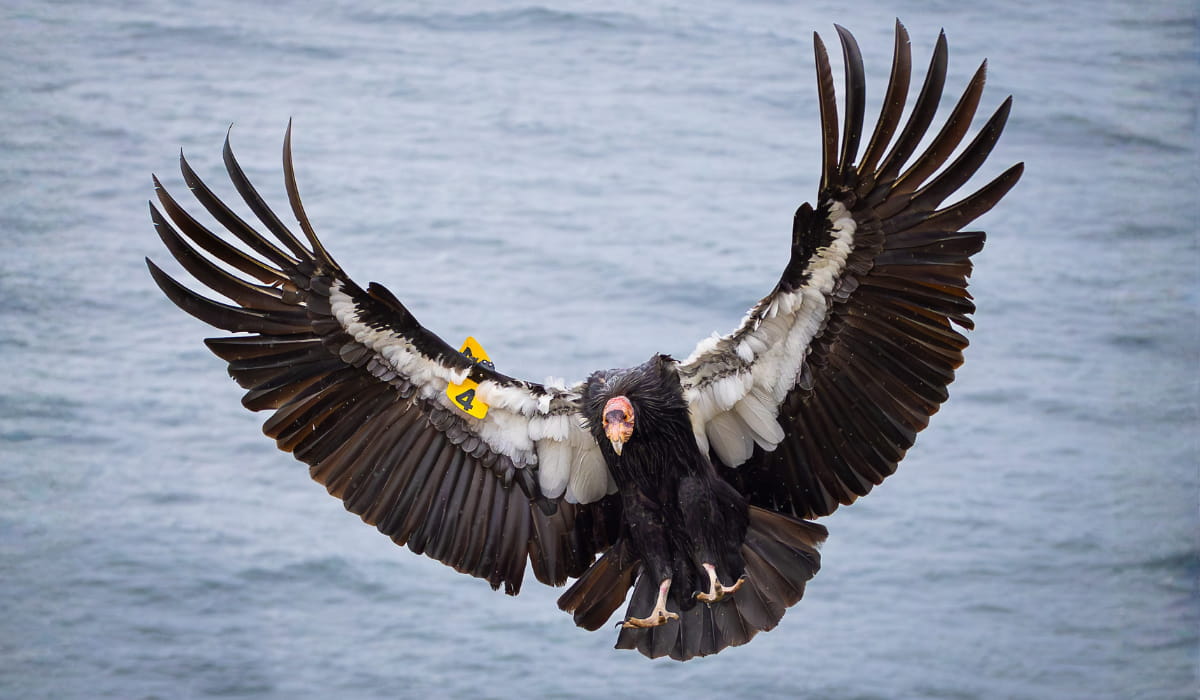
With a wingspan that can reach nearly 6 feet, turkey vultures are larger than many hawks. They hold their wings in a distinctive “V” shape while flying and rarely flap, instead riding rising columns of warm air.
That’s why they seem to hover effortlessly, drifting and tilting rather than powering through the sky.
Why Turkey Vultures Have a Bald Red Head
That bright red, featherless head isn’t just for looks—it’s an important adaptation meant to help them survive.
Because turkey vultures feed inside carcasses, a bald head helps prevent bacteria from clinging to feathers. Instead of trapping debris and germs, their exposed skin can be cleaned more easily, especially with sunlight helping to break down bacteria.
It’s a simple but effective way to stay clean in an environment that’s anything but.
Turkey vultures prefer open areas like fields, hillsides, and roadsides, where they can easily soar and locate food.
You’ll rarely see them deep in dense forests. They need space to move and air currents to stay aloft without using much energy.
They’re also incredibly widespread, found throughout North and South America. Their movement depends largely on climate and food availability. In colder northern regions, many turkey vultures migrate seasonally, heading south when temperatures drop and food becomes harder to find. In places with milder weather—like much of California—they often stay year-round.
That’s part of why Southern California suits them so well. Between the open landscapes, warm air, and steady food sources, it’s an ideal environment.
Around Ramona, it’s common to see them perched on poles, trees, or other high points where they can rest and watch what’s happening below.
Strange but Fascinating Turkey Vulture Behaviors
Turkey vultures have a few behaviors that might look unusual at first, but every one of them serves a purpose.
- Horaltic pose (sunbathing): Turkey vultures will stand with their wings stretched out wide in the sun. This helps dry their feathers and allows sunlight to reduce bacteria and parasites.
- Urohidrosis (yes, really): They urinate on their own legs. It helps kill bacteria picked up from carcasses and also cools them down on hot days.”
- Soaring instead of flapping: Turkey vultures rely on warm air currents to stay in the air, which is why you’ll see them gliding and tilting rather than constantly flapping their wings.
- Group gathering: When one turkey vulture finds food, others quickly follow. What starts as one bird can turn into a full group within minutes.
- Courtship displays: During mating, they’ve been observed moving in circles and pacing around each other in a kind of slow, deliberate dance.
Are Turkey Vultures Dangerous or Aggressive?
Turkey vultures, similarly to owls, aren’t naturally aggressive toward people or pets.
They tend to avoid interaction altogether. If anything gets too close, their instinct is to move away, not confront it.
They don’t hunt live animals and aren’t interested in anything that isn’t already dead.
If they do feel threatened, their main defense is to regurgitate what they’ve eaten, which helps deter predators and makes it easier for them to take off quickly. It’s not exactly pleasant, but it works.
Turkey Vulture Predators and Threats
Turkey vultures have few natural predators, but their biggest threat comes from human-related factors like poisoning and habitat disruption.
While eggs and young birds may occasionally be targeted by larger predators, adult turkey vultures are rarely hunted. Most of the risk they face comes from what’s left behind in the environment.
The real danger comes from:
- Rodenticides
- Environmental toxins
- Habitat loss
Just like owls, turkey vultures are vulnerable to secondary poisoning. When they feed on an animal that has ingested poison, that toxin moves up the food chain.

Final Thoughts
Turkey vultures are quietly doing one of the most important jobs in the ecosystem—cleaning up what would otherwise spread disease and disrupt the environment.
But the same system they rely on can also put them at risk.
If you’ve ever watched the owls on our barn owl livestream, you’ve already seen how connected everything is. The same environment that supports them is the one turkey vultures rely on too.
Choosing poison-free pest control, supporting wildlife education, and simply taking the time to understand these birds all make a difference.
And the next time you see turkey vultures circling overhead, you’ll know exactly what they’re doing—and why it matters.
Turkey Vulture FAQs
Are turkey vultures dangerous?
No, turkey vultures are not dangerous to people or pets. They don’t hunt live animals and have relatively weak feet compared to birds of prey. If threatened, their instinct is to avoid conflict. Their main “defense” is regurgitating their last meal to scare predators away—effective, but definitely not aggressive behavior.
Are turkey vultures protected by law?
Yes. Turkey vultures are protected under the Migratory Bird Treaty Act in the United States. This means it’s illegal to harm, hunt, or possess them (including their feathers, nests, or eggs) without a permit. These protections help keep their populations stable and ensure they can continue doing their important role in the ecosystem.
Why do turkey vultures have bald heads?
That bald, red head actually serves a purpose. Since turkey vultures feed on dead animals, a featherless head helps prevent bacteria from sticking around. Sunlight can also help sanitize their skin, making it a simple but effective adaptation for staying clean in a messy environment.
Are turkey vultures related to bald eagles?
No, turkey vultures are not closely related to Bald Eagle. Bald eagles are true birds of prey (raptors) in the hawk and eagle family, while turkey vultures belong to a separate group called New World vultures. Even though they may look similar at a distance, they evolved differently and have very different behaviors—bald eagles hunt live prey, while turkey vultures feed almost entirely on animals that are already dead.
Do turkey vultures migrate?
Some do, and some don’t—it depends on where they live. In colder regions, turkey vultures migrate south when food becomes harder to find. In milder climates (like much of California), many stay year-round because food is consistently available.
![Every Tee Tells a Story – From rescues to rodent control, our designs speak up for owls. [Shop Owl-Inspired Apparel]](https://ramonabarnowls.com/wp-content/uploads/Every-Tee-Tells-a-Story-1.jpg)
![Book the Fairy Owlet Mother – Bring Stacey’s owl magic to your school or event. [Book a Presentation]](https://ramonabarnowls.com/wp-content/uploads/Book-the-Fairy-Owlet-Mother-1.jpg)

![Matching fits for the whole flock. Because protecting wildlife is even sweeter when you do it together. [Shop the Family Collection]](https://ramonabarnowls.com/wp-content/uploads/Matching-fits-for-the-whole-flock-1.jpg)


![Ridiculously Soft Whoo-Wear [Shop Now]](https://ramonabarnowls.com/wp-content/uploads/Ridiculously-Soft-Whoo-Wear-1.jpg)
![Hoot Happiness Guarantee – Shop risk-free with free returns & exchanges. [Shop Now]](https://ramonabarnowls.com/wp-content/uploads/Hoot-Happiness-Guarantee-1.jpg)
![Subscribe on YouTube – Join 1,000+ owl lovers following our live owl adventures. [Subscribe Now]](https://ramonabarnowls.com/wp-content/uploads/Subscribe-on-YouTube-1.jpg)