Western Screech Owl Fun Facts
- The western screech owl (Megascops kennicottii) is a small owl found across western North America
- The western screech owl call is a distinctive “bouncing ball” trill often heard at night
- Western screech owl habitat includes forests, deserts, and suburban neighborhoods
- The western screech owl diet includes a wide variety of prey, from insects to small mammals
- Western screech owl nesting happens in tree cavities, but they will also use nest boxes
Western Screech Owl
If you’ve ever heard a soft, bouncing sound echoing through the night—almost like a ball gently dropping faster and faster—you may have already met the western screech owl… without ever seeing it.
These owls are masters of staying hidden. They’re small, perfectly camouflaged, and incredibly adaptable. In fact, there’s a good chance one is living right in your neighborhood—quietly watching, hunting, and blending into the trees like a piece of bark.
Let’s take a closer look at one of the most fascinating owls in North America.
Meet the Western Screech Owl
The western screech owl (Megascops kennicottii) is a small, stocky owl native to western North America, ranging from Alaska down through the western United States and into Mexico.
Despite the name, they don’t actually “screech” much. Instead, western screech owls produce soft, whistling trills and rhythmic hoots that carry surprisingly far through the night.
They’re part of a group known as screech owls, but their vocalizations are more musical than harsh—one of the easiest ways to identify them if you know what to listen for.
What Do Western Screech Owls Look Like?

In terms of western screech owl size, they are small—about the size of a coffee mug or a pair of binoculars.
They typically measure around:
- 7–10 inches tall (18–25 cm)
- Wingspan of about 21–25 inches
- Weight around 3.5–11 ounces
But what really makes them stand out (or disappear) is their camouflage.
Their feathers are mottled gray or brown with streaks and patterns that mimic tree bark almost perfectly.
Their body shape helps, too — compact and stocky, with a short tail and almost no neck, giving them that “tree-stump” look when perched.
Then there are the details that don’t help them hide — but make them unmistakable when you do spot them:
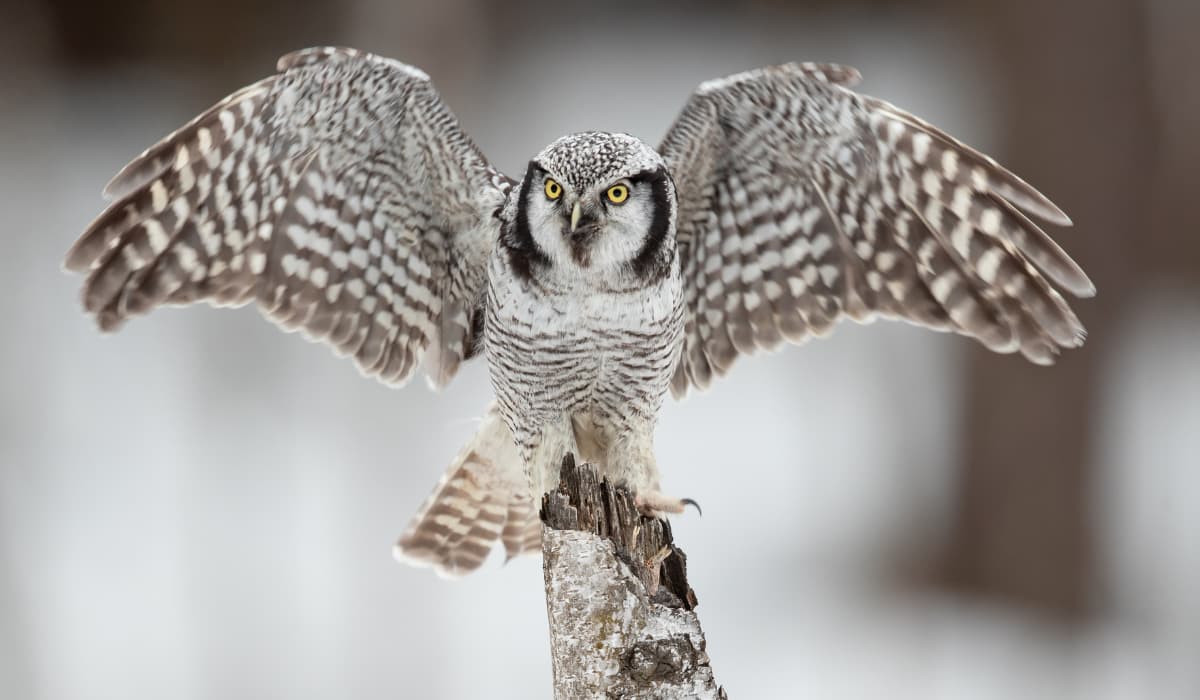
- Bright yellow eyes
- Prominent ear tufts
Put it all together, and you’ve got an owl that can disappear into a tree trunk… until it suddenly looks right back at you.
Where Do Western Screech Owls Live?
Western screech owls are very adaptable. They live in a wide range of habitats, including:
- Forest edges and woodlands
- Desert areas (even among saguaro cacti)
- Riparian zones along rivers and streams
- Suburban neighborhoods and city parks
They’re especially drawn to areas with trees near water, where prey is more abundant.
And like barn owls, they’ve adapted surprisingly well to human environments. You can find them nesting in:
- Backyard trees
- Orchards
- Urban parks
- Even man-made nest boxes
Western Screech Owl Behavior: Quiet, Still, and Almost Invisible
Western screech owls are nocturnal, meaning they’re most active at night, especially around dusk and dawn.
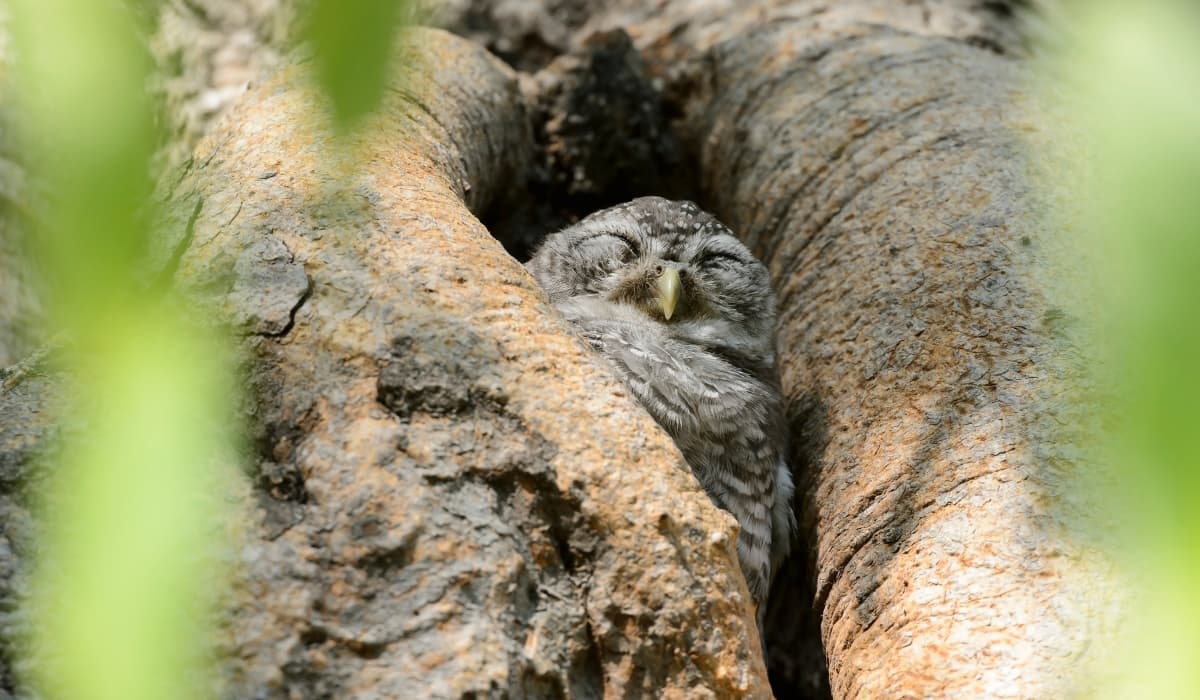
During the day, they roost quietly in tree cavities or against tree trunks, relying on their camouflage to stay hidden.
Their hunting style is classic owl:
- Sit and wait on a perch
- Scan for movement
- Swoop down silently to grab prey
They can also catch insects mid-flight, showing just how versatile they are.
When you do catch a glimpse of a western screech owl flying, their movement is silent and smooth—perfectly adapted for hunting in the dark.
And unlike larger owls, they tend to stay in relatively small territories year-round rather than migrating long distances.
What Do Western Screech Owls Eat?

These owls are opportunistic hunters—which means they eat whatever is available.
Their diet can include:
- Small mammals (mice, rats, bats)
- Birds
- Insects (a major part of their diet in many areas)
- Reptiles and amphibians
- Fish and crayfish
- Even worms and scorpions
In some areas, research has even shown fish can be a big part of their diet—something many people don’t associate with owls at all.
Nesting and Raising Young
Western screech owls are cavity nesters, which means they don’t build their own nests.
Instead, they rely on:
- Natural tree cavities
- Old woodpecker holes
- Cavities in large cacti
- Nest boxes provided by humans
They typically lay:
- 2–5 eggs
- Incubation lasts about 3–4 weeks
- A baby western screech owl typically fledges (leaves the nest) in about a month
Like other owls, the female stays with the eggs and young, while the male does most of the hunting and brings food back to the nest.
And once they find a good nesting spot, they often return to it year after year.

Their Call: The Sound You’ll Hear Before You See Them
The western screech owl sound is a series of soft, rhythmic whistles that sound like a bouncing ball.
It’s one of the easiest ways to identify them—especially since they’re so hard to spot visually.
They also have other vocalizations, including sharp barks, short hoots, and even cackling sounds depending on the situation—like defending territory or communicating with a mate.
Eastern vs. Western Screech Owl
Western and Eastern screech owls look very similar and are often confused, but they live in different parts of North America.
The western screech owl is found across the western United States, while the Eastern screech owl lives primarily in the eastern half of the country.
They also have slightly different calls and habitat preferences, but both share the same small size, ear tufts, and cavity-nesting behavior.
Western Screech-Owls Are Natural Pest Control
Western screech owls play an important role in keeping ecosystems balanced.
The western screech owl diet includes:
- Rodents
- Insects
- Small animals
Like barn owls, they help naturally control populations that could otherwise get out of hand.
And like many other birds of prey, they face a serious and often invisible threat: rodenticide poisoning.
When poisoned rodents are eaten by predators, that toxin doesn’t stop—it moves up the food chain.
It’s the same ripple effect we see across ecosystems again and again.
Final Thoughts
Western screech owls are small, quiet, and easy to overlook—but they’re doing essential work every single night.
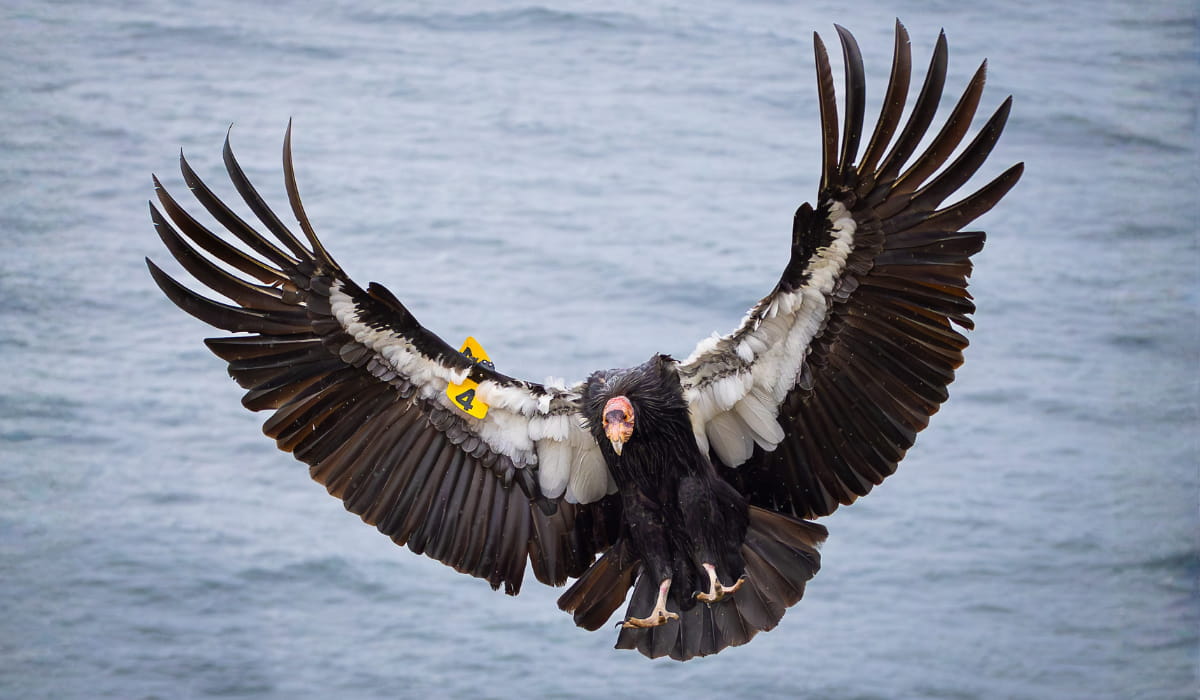
They’re part of the same delicate balance we see with barn owls, hawks, and even scavengers like turkey vultures. When one part of that system is affected, everything else feels it.
And that’s exactly why our mission at Ramona Barn Owls matters.
We’re here to raise awareness about the impact of rodenticides and promote safer, poison-free ways to manage pests—so these owls can continue doing the job they were meant to do.
If you’ve ever watched the owls on our barn owl livestream, you’ve seen firsthand how much people connect with these animals. You’ve seen the personalities, the relationships, the way people root for them.
If you want to be part of our mission to keep them safe, there are a few simple ways to help:
- Choose poison-free pest control in your community
- Tune into our livestream and see these birds up close
- Wear the message—shop our owl clothing line and start conversations
- Share what you’ve learned and help others understand why it matters
Because protecting owls isn’t just about owls—it’s about protecting everything connected to them.
Western Screech Owl FAQs
How big is a western screech owl compared to other owls?
In terms of western screech owl size, they’re on the smaller end of the spectrum. At just 7–10 inches tall, they’re much smaller than barn owls or great horned owls.
What does a baby western screech owl look like?
A baby western screech owl starts out covered in soft, fluffy down and looks rounder and less defined than adults. As they grow, their feathers develop the same bark-like camouflage, helping them blend into trees just like their parents.
Are western screech owls dangerous to humans?
Not at all. Western screech owls are small and non-aggressive. Like most owls, they prefer to stay hidden and avoid people.
When are you most likely to hear a western screech owl
You’ll usually hear them at dusk or during the night. The western screech owl sound—often described as a bouncing ball—can travel surprisingly far, especially in quiet neighborhoods or wooded areas.
Do western screech owls migrate?
No, they typically stay in the same area year-round. Instead of migrating, they maintain small territories where they hunt, roost, and nest.
Can you attract western screech owls to your yard?
Yes—if the habitat is right. Providing a nest box, avoiding pesticides and rodenticides, and maintaining trees or natural cover can make your space more appealing. A healthy environment means more prey, which naturally draws them in.
How can you tell the difference between eastern vs western screech owl?
The biggest difference is location. Western screech owls live in the western U.S., while eastern screech owls are found in the east. Their calls are also different, which is often the easiest way to tell them apart in the wild.
![Every Tee Tells a Story – From rescues to rodent control, our designs speak up for owls. [Shop Owl-Inspired Apparel]](https://ramonabarnowls.com/wp-content/uploads/Every-Tee-Tells-a-Story-1.jpg)
![Book the Fairy Owlet Mother – Bring Stacey’s owl magic to your school or event. [Book a Presentation]](https://ramonabarnowls.com/wp-content/uploads/Book-the-Fairy-Owlet-Mother-1.jpg)

![Matching fits for the whole flock. Because protecting wildlife is even sweeter when you do it together. [Shop the Family Collection]](https://ramonabarnowls.com/wp-content/uploads/Matching-fits-for-the-whole-flock-1.jpg)


![Ridiculously Soft Whoo-Wear [Shop Now]](https://ramonabarnowls.com/wp-content/uploads/Ridiculously-Soft-Whoo-Wear-1.jpg)
![Hoot Happiness Guarantee – Shop risk-free with free returns & exchanges. [Shop Now]](https://ramonabarnowls.com/wp-content/uploads/Hoot-Happiness-Guarantee-1.jpg)
![Subscribe on YouTube – Join 1,000+ owl lovers following our live owl adventures. [Subscribe Now]](https://ramonabarnowls.com/wp-content/uploads/Subscribe-on-YouTube-1.jpg)